Windows 11 Lagging and Freezing: Best Optimization Tips

digital-laptop

Are you frustrated with your Windows 11 PC slowing down, lagging during simple tasks, or freezing up at the worst moments? You’re not alone. Many users upgrading to or running Windows 11 experience these performance issues, especially on older hardware or systems cluttered with unnecessary files and programs. The good news is that most lagging and freezing problems can be fixed with some straightforward optimization tweaks—no need for advanced tech skills or expensive upgrades.

In this beginner-friendly guide, we’ll dive deep into why Windows 11 might be lagging or freezing and provide step-by-step optimization tips to get your system running smoothly again. Whether you’re a casual user browsing the web, a student juggling assignments, or a professional handling work apps, these tips are designed to be easy to follow. We’ll cover everything from basic maintenance to more targeted fixes, all optimized for search engines so you can find this help when you need it most. Let’s turn that sluggish PC into a speedy machine!

Understanding Why Windows 11 Lags or Freezes

Before jumping into fixes, it’s helpful to know the root causes. Windows 11 is a powerful operating system with modern features like enhanced security, better multitasking, and AI integrations (think Copilot+ PCs in 2024 and beyond). However, these can strain your hardware if not managed properly. Common culprits include:

  • Outdated Software and Drivers: Windows 11 requires up-to-date drivers for hardware like your graphics card, CPU, and peripherals. Incompatible or old drivers can cause conflicts, leading to freezes.
  • Resource Overload: Too many background apps, startup programs, or open tabs can hog RAM, CPU, and disk space, making your system unresponsive.
  • Storage Issues: A nearly full hard drive (especially HDDs) or fragmented files slows down read/write speeds. SSDs are faster but can still suffer from clutter.
  • Malware or Viruses: Hidden threats can run in the background, consuming resources and causing instability.
  • Power Settings and Overheating: Laptops on battery-saving modes or desktops with poor cooling might throttle performance to prevent damage.
  • Hardware Limitations: If your PC barely meets Windows 11’s minimum requirements (like 4GB RAM, but ideally 8GB+), it might struggle with demanding tasks.
  • Visual Effects and Animations: Windows 11’s sleek interface looks great but can tax lower-end GPUs.

By addressing these, you can optimize Windows 11 for better performance. Remember, if issues persist after these tips, it might be time to consider hardware upgrades or professional help.

Essential Preparation Before Optimizing

Start with a safety net to avoid any mishaps:

  1. Backup Your Data: Use Windows Backup or OneDrive to save important files. Go to Settings > Update & Security > Backup.
  2. Create a System Restore Point: Search for “Create a restore point” in the Start menu, select your drive, and create one. This lets you revert changes if something goes wrong.
  3. Restart Your PC: Sometimes, a simple reboot clears temporary glitches. Hold the power button or use the Start menu to restart.

Now, let’s get into the optimization tips. We’ll start with the easiest ones.

Tip 1: Update Windows 11 and Drivers

Outdated software is one of the top reasons for lagging. Microsoft regularly releases updates that fix bugs, improve performance, and enhance security.
Step-by-Step Guide:

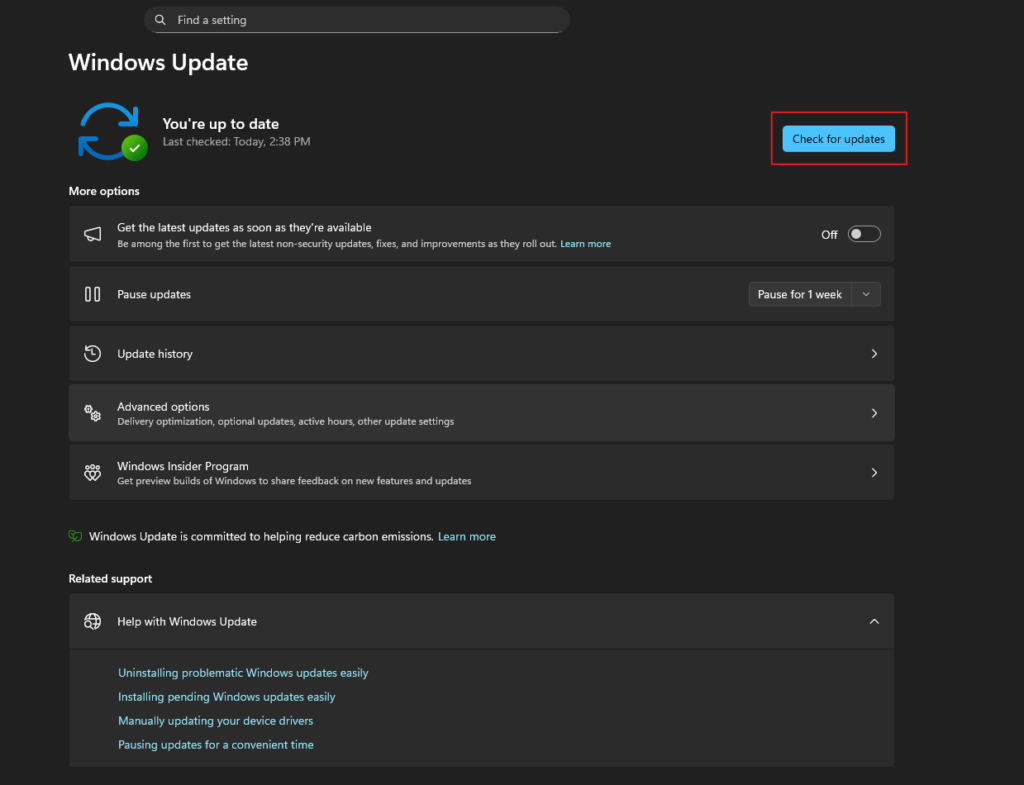
  1. Check for Windows Updates:
    • Press Windows key + I to open Settings.
    • Go to Update & Security > Windows Update.
    • Click “Check for updates.” Install any available ones, including optional updates for drivers.
    • Restart your PC after installation.

windows-update
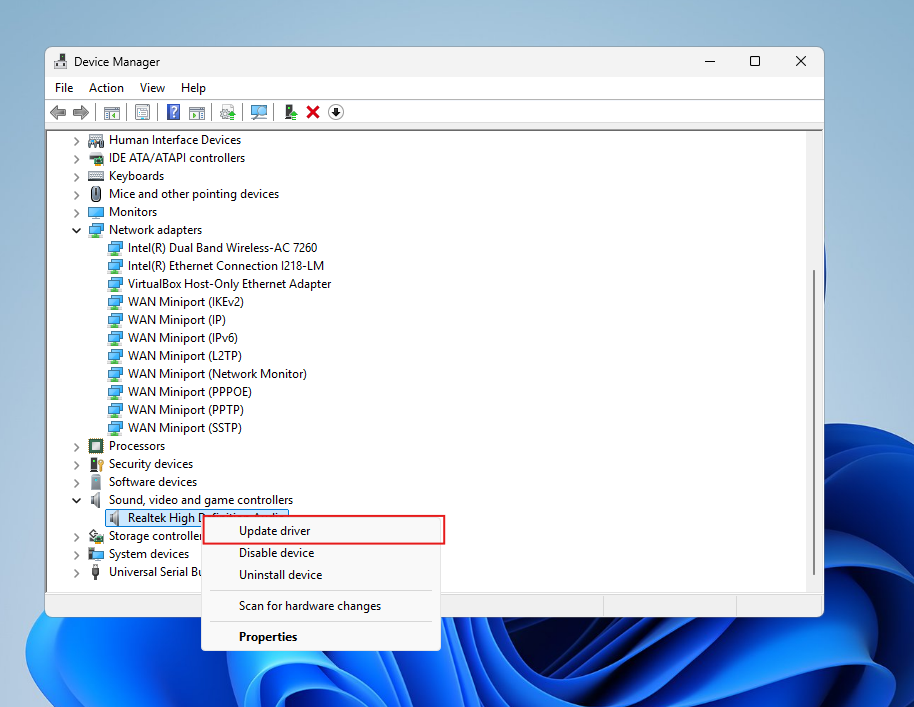
  1. Update Device Drivers:
    • Right-click the Start button and select Device Manager.
    • Expand categories like Display adapters, Network adapters, and Sound.
    • Right-click each device > Update driver > Search automatically for drivers.
    • For graphics cards (NVIDIA, AMD, Intel), download the latest drivers from their official websites:
      • NVIDIA: GeForce Experience app or nvidia.com.
      • AMD: amd.com/support.
      • Intel: intel.com/support.
updating- drivers

Pro Tip: Use tools like Snappy Driver Installer (free) if automatic updates miss something. After updating, test your system—many users report immediate improvements in smoothness.

Why This Works: Updates patch performance leaks and ensure compatibility with Windows 11’s features like DirectStorage for faster game loading.

Tip 2: Manage Startup Programs to Reduce Boot Time and Lag

Programs that launch automatically at startup can slow your boot time and consume resources, leading to overall lagging.
How to Disable Unnecessary Startups:

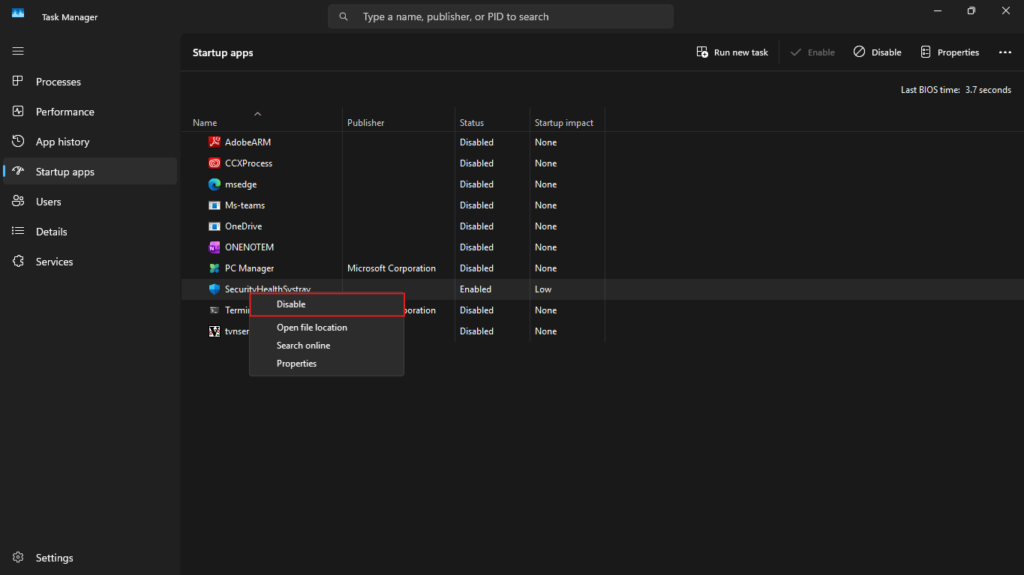
  1. Press Ctrl + Shift + Esc to open Task Manager.
  2. Switch to the Startup tab.
  3. Look at the “Startup impact” column—disable high-impact items like Adobe Creative Cloud, Spotify, or unnecessary antivirus extras by right-clicking and selecting Disable.
  4. Keep essentials like antivirus or cloud sync enabled.
startup-settings

For more control:

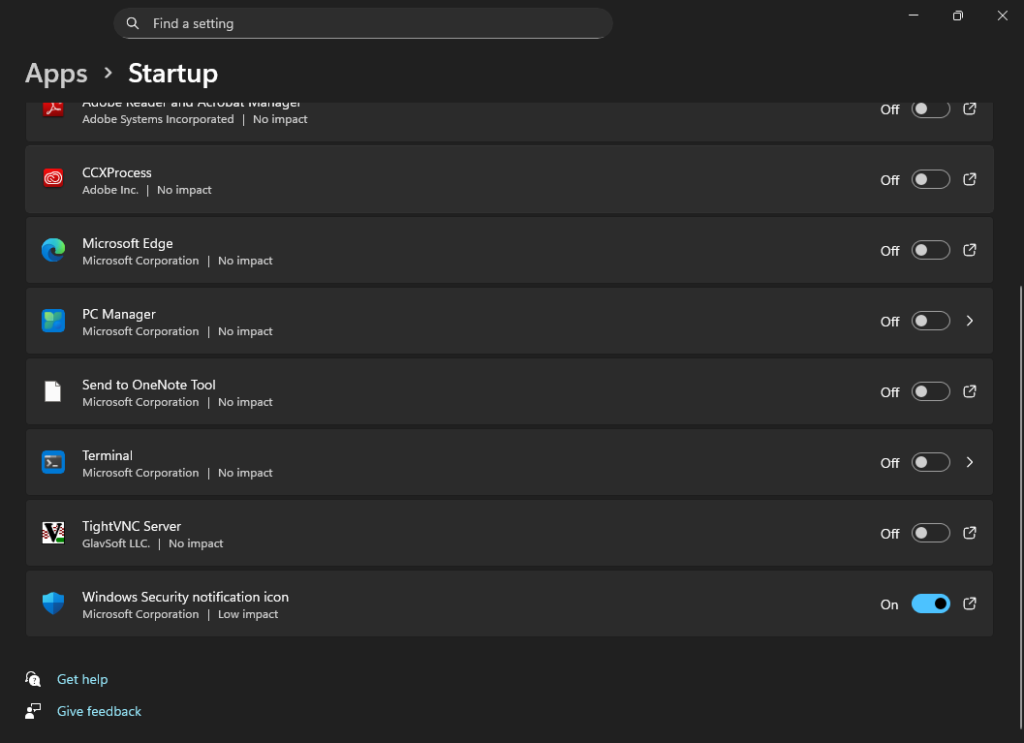
  • Go to Settings > Apps > Startup.
  • Toggle off apps you don’t need right away.
startup-option-2

Beginner Note: If you’re unsure about an app, Google its name + “safe to disable startup” for advice. This can shave seconds off boot time and free up RAM for smoother multitasking.

Tip 3: Free Up Disk Space and Run Disk Cleanup

A cluttered drive is like a messy desk—it slows everything down. Windows 11 needs at least 20-30GB free for optimal performance.
Steps to Clean Up:

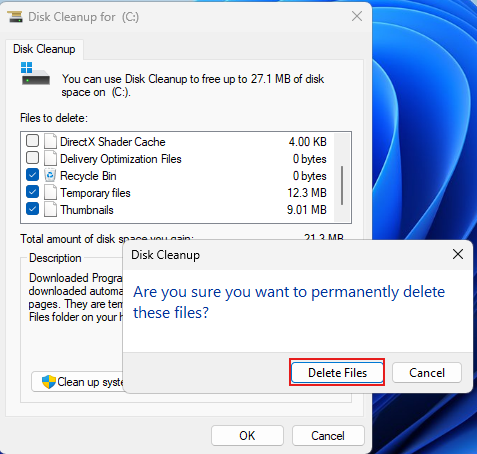
  1. Run Disk Cleanup:
    • Search for “Disk Cleanup” in the Start menu.
    • Select your main drive (usually C:).
    • Check boxes for Temporary files, Thumbnails, and Recycle Bin.
    • Click OK to delete— this can free up gigabytes!
delete-clean
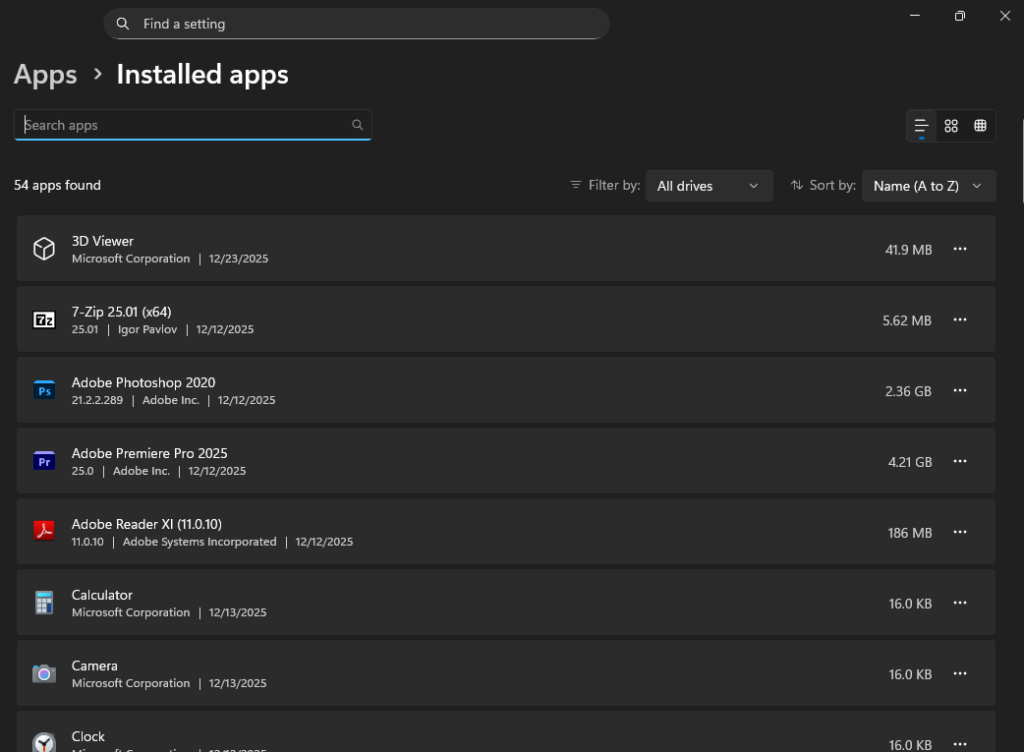
  1. Uninstall Unused Apps:
    • Settings > Apps > Installed apps.
    • Sort by size and uninstall bloatware like pre-installed games or trials.
installed-apps
  1. Delete Large Files:
    • Use File Explorer > This PC > Right-click C: > Properties > Disk Cleanup (advanced).
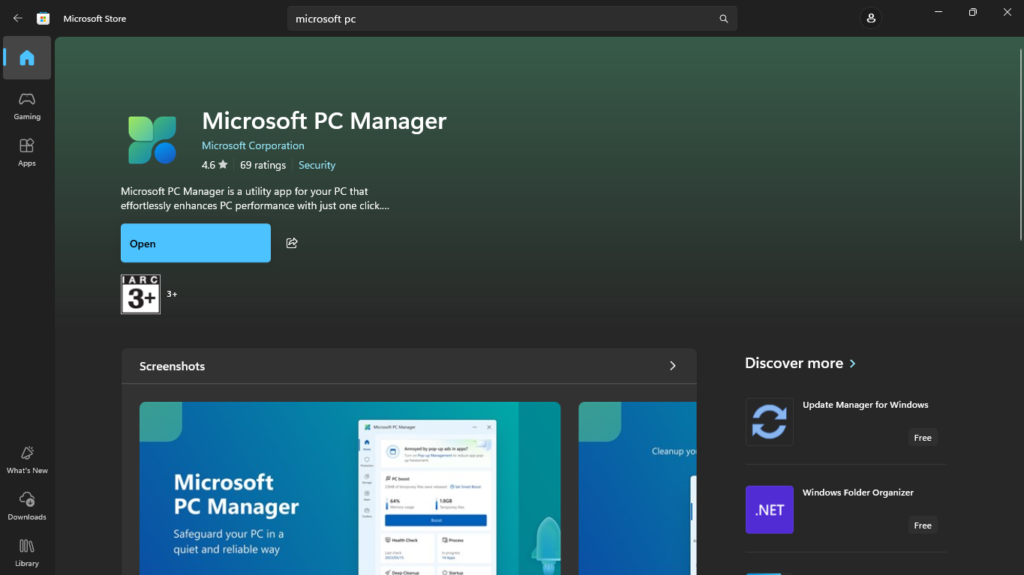
    • Or, download free tool in Microsoftstore Microsoft PC Manager for deeper scans.
microsoft-pc-manager

For SSD users: Enable Storage Sense in Settings > System > Storage to automatically delete old files.
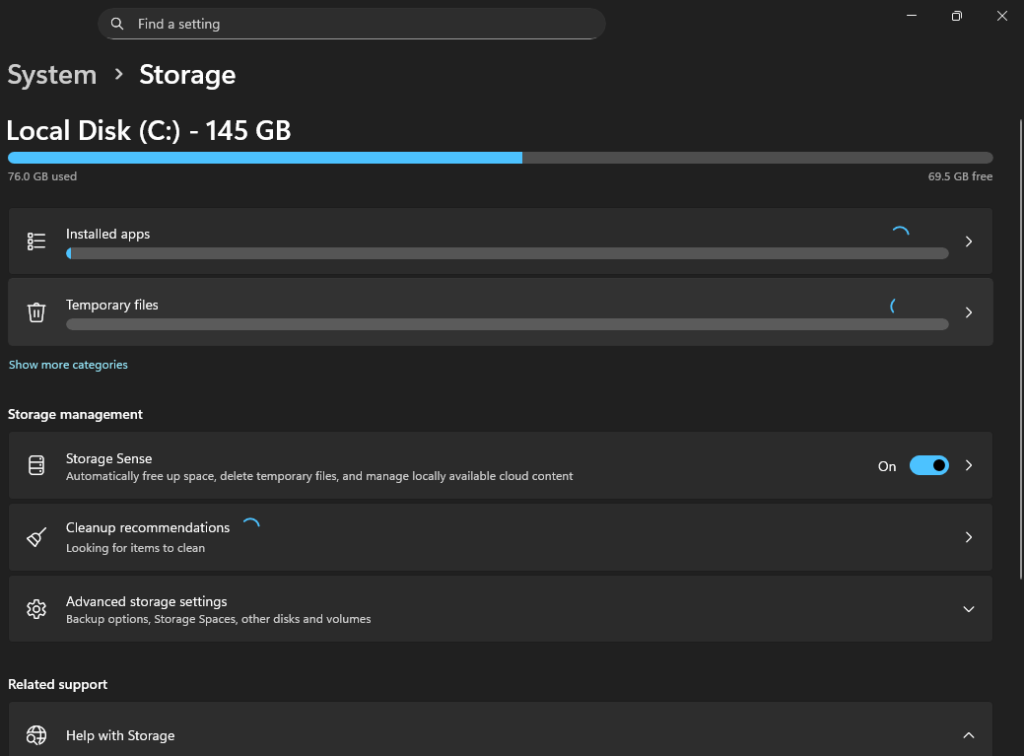
system-storage

Result: More space means faster file access, reducing freezes during app launches or file saves.

Tip 4: Defragment and Optimize Your Drives

Fragmented files on HDDs cause read delays, leading to lagging. SSDs don’t need defragging but benefit from optimization.
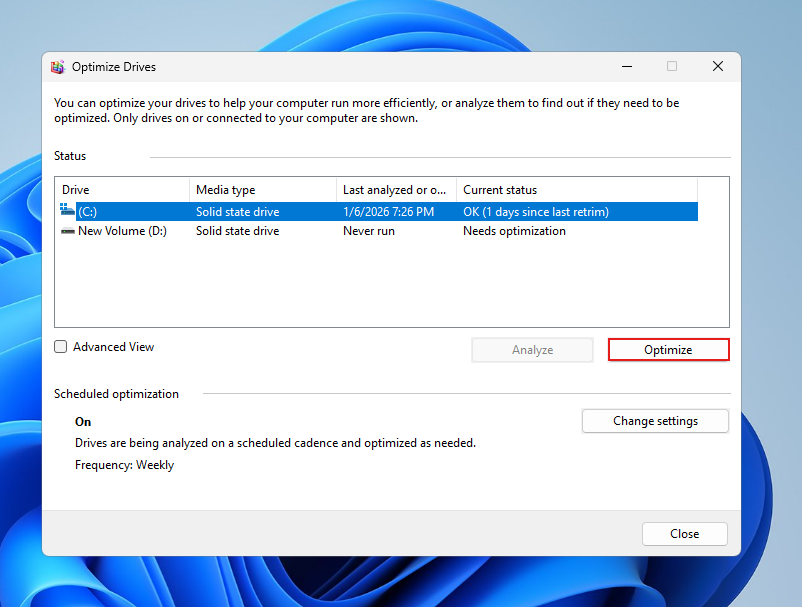
Optimization Process:

  1. Search for “Defragment and Optimize Drives” in Start.
  2. Select your drive and click Optimize.
  3. For HDDs, run it weekly; for SSDs, Windows handles TRIM automatically.
optimise-drivers

If you have an HDD, consider upgrading to an SSD—it’s one of the best performance boosts for Windows 11, often reducing lag by 50% or more.

Tip 5: Scan for Malware and Viruses

Malicious software can run silently, causing freezes by using CPU/RAM.
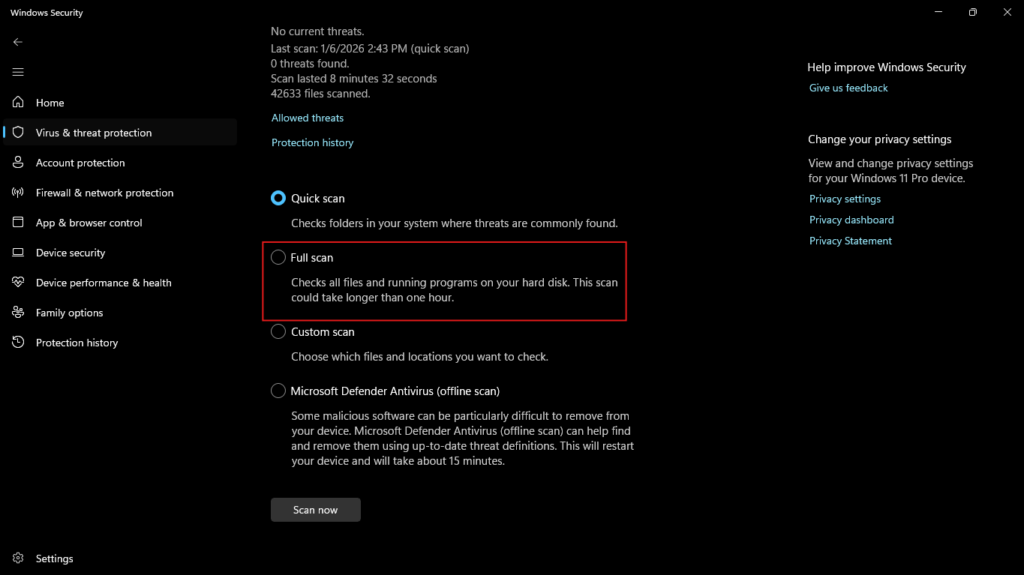
Built-In Scan:

  1. Open Windows Security (search in Start).
  2. Go to Virus & threat protection > Scan options.
  3. Run a Full scan—it might take 30-60 minutes.
scanning-system

For extra protection:

  • Download Malwarebytes (free version) for a second opinion scan.
  • Avoid suspicious downloads and enable real-time protection.
download-malwarebytes

If clean, great! If not, follow removal steps and restart.

Tip 6: Adjust Visual Effects for Better Performance

Windows 11’s fancy animations look great but can slow older hardware. Prioritize speed over eye candy.

Tweak Settings:

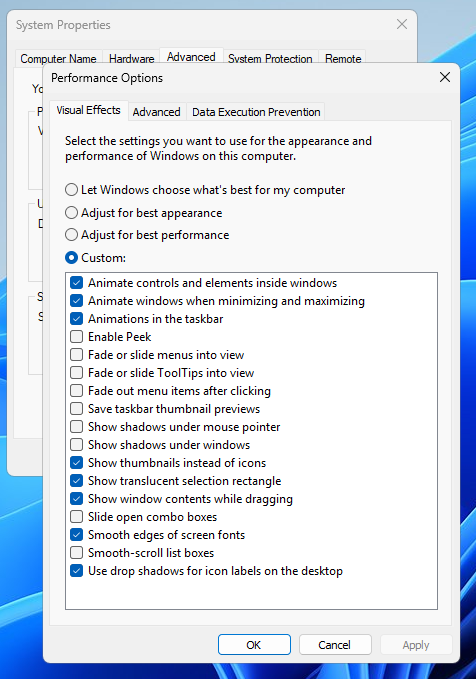
  1. Search for “Performance” in the Start menu and select Adjust the appearance and performance of Windows.
  2. Choose Adjust for best performance or manually uncheck animations like “Animate controls and elements inside windows.”
  3. Click Apply and OK.

Benefits in Action: This can reduce UI lag, making file explorer and menus feel instantaneous. Test by opening multiple windows—notice the snappier response?
virtual-effects

Tip 7: Monitor and Troubleshoot with Built-In Tools

Windows 11 has diagnostic tools to pinpoint issues.
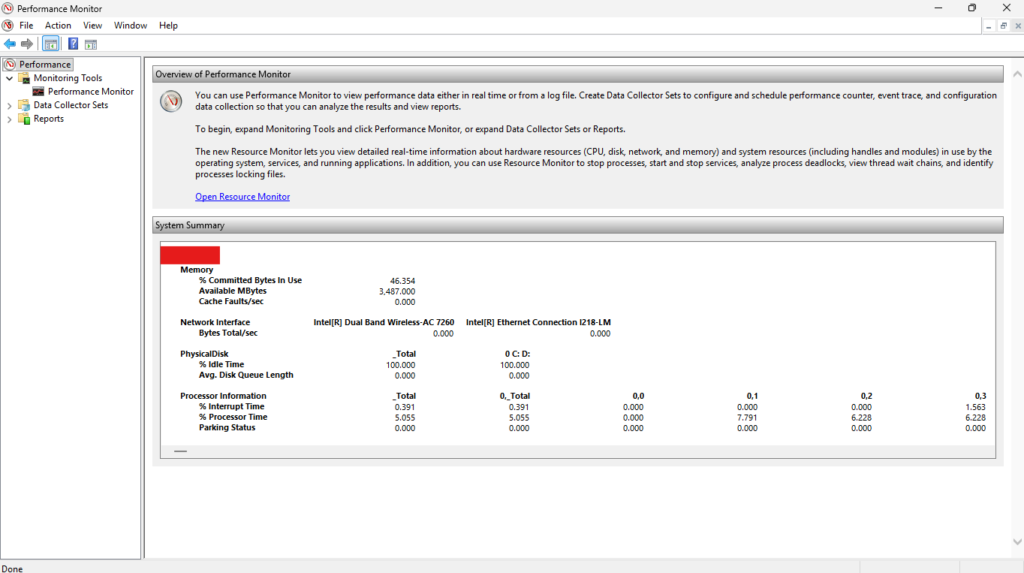
Use Performance Monitor:

  1. Search for “Performance Monitor.”
  2. Add counters for CPU, Memory, Disk to see bottlenecks.
power-moniter

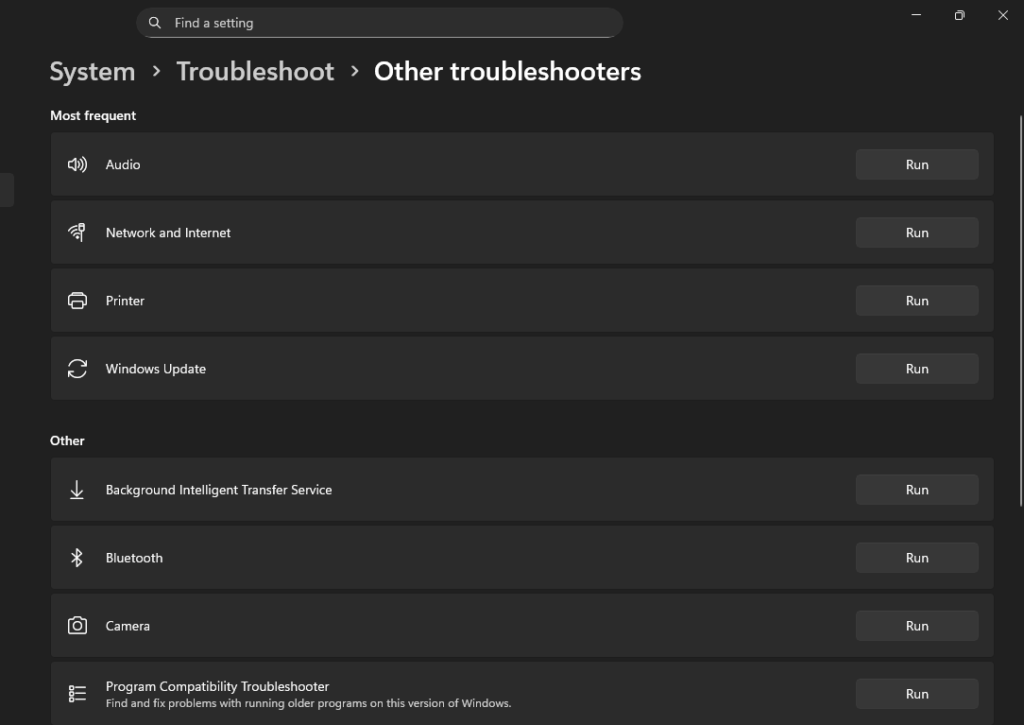
Run Troubleshooters:

  • Settings > System > Troubleshoot > Other troubleshooters.
  • Run ones for Hardware, Internet, or Power.

If RAM is low, close tabs or upgrade—Windows 11 shines with 16GB+.
troubleshoot

Tip 8: Advanced Fixes for Persistent Issues

If basic tips aren’t enough:

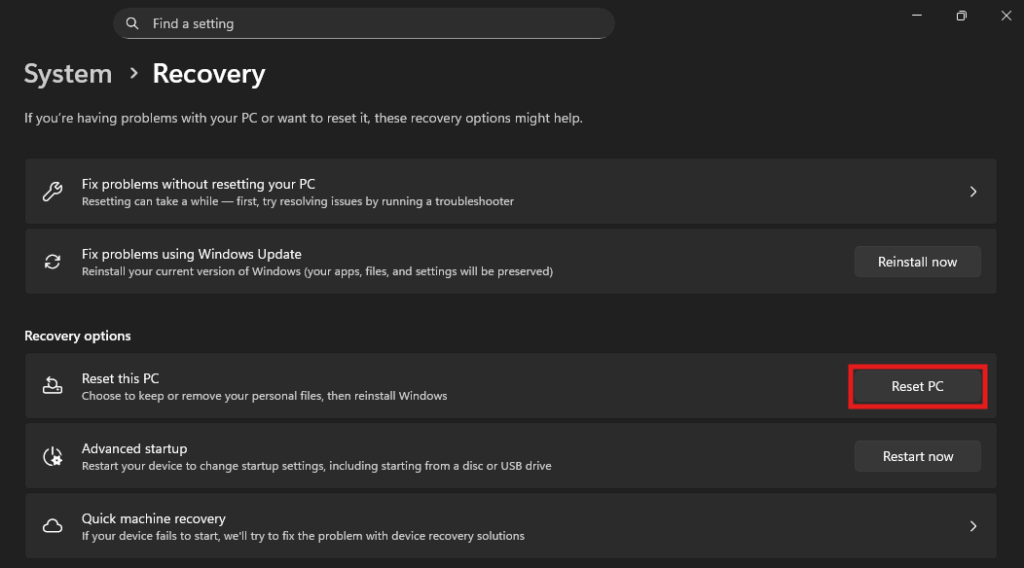
  • Reset Windows 11: Settings > System > Recovery > Reset this PC (keep files).
pc-reset-option
  • Check for Hardware Faults: Run Memory Diagnostic (search in Start) or chkdsk in Command Prompt (admin): chkdsk C: /f /r.
  • Disable Fast Startup: Search for “Power options” > Choose what the power buttons do > Uncheck Turn on fast startup.
  • Update BIOS: Check your motherboard manufacturer’s site—careful, as this is advanced.

For gamers: Optimize in-game settings or use Game Mode (Settings > Gaming).

When to Seek Professional Help or Upgrade

If lagging persists, your hardware might be the issue. Minimum specs: 64-bit processor, 4GB RAM, 64GB storage, TPM 2.0. For smooth performance, aim for 8GB RAM, SSD, and a modern CPU like Intel 11th gen+ or AMD Ryzen 3000+.

Consider upgrading RAM or switching to an SSD—affordable fixes under $100. If it’s a laptop, a clean install might help.

Conclusion: Enjoy a Faster Windows 11 Experience

By following these optimization tips, you should notice a significant reduction in lagging and freezing on Windows 11. Start with updates and cleanup, then tweak as needed. Regular maintenance—like weekly scans and monthly cleanups—keeps things running smoothly. If you’re new to this, take it one step at a time; most fixes are reversible.

Remember, a well-optimized PC not only performs better but also lasts longer. Have you tried these tips? Share your results in the comments below! For more tech guides, check out our articles on “Best Windows 11 Features for Productivity” or “How to Speed Up Windows Boot Time.”

FAQs on Windows 11 Lagging and Freezing

Why does my Windows 11 freeze randomly?

Random freezes often stem from driver conflicts, overheating, or low RAM. Start with updates and monitoring tools.

Is Windows 11 slower than Windows 10?

Not inherently, but it demands more resources. Optimization can make it faster on compatible hardware.

How much RAM do I need for Windows 11?

At least 8GB for basic use; 16GB for multitasking or gaming to avoid lag.

Can I downgrade to Windows 10 if optimization fails?

Yes, within 10 days of upgrade, or via clean install. Backup first!

What’s the best free tool for Windows 11 optimization?

Built-in ones like Disk Cleanup and Windows Security are great starters. For more, try CCleaner or Malwarebytes.

This guide is based on proven methods as of 2026—stay updated with Microsoft’s support site for new tips. Happy computing!