Physical Address
304 North Cardinal St.
Dorchester Center, MA 02124
Physical Address
304 North Cardinal St.
Dorchester Center, MA 02124


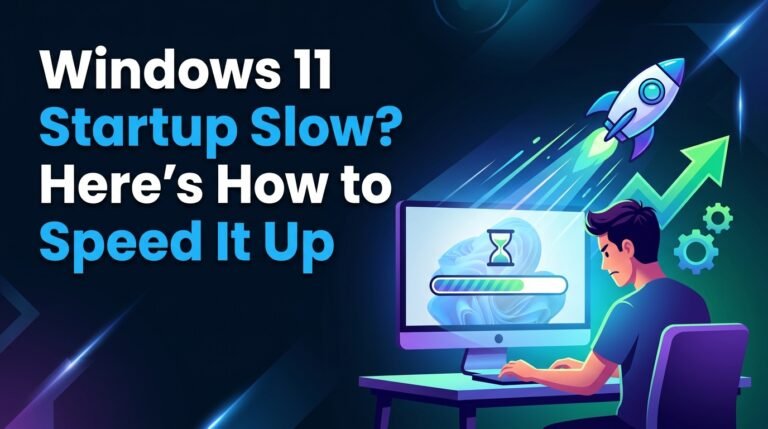
Are you tired of your Windows 11 PC feeling sluggish? Whether it’s slow boot times, lagging apps, or frustrating delays during multitasking, optimize Windows 11 can breathe new life into your system. In this comprehensive step-by-step guide, we’ll walk you through proven methods to boost your computer’s speed and efficiency. By the end, you’ll enjoy a snappier experience that saves time and reduces frustration.
Windows 11 is designed for modern hardware, but out-of-the-box settings often prioritize visuals and features over raw performance. Optimize it isn’t just about tweaking a few options—it’s about creating a lean, mean machine tailored to your needs. The benefits? Expect faster startup times (often cutting boot duration by 20-50%), quicker application launches, smoother gaming or productivity sessions, and even extended battery life on laptops. Plus, a optimized system runs cooler and more reliably, potentially extending your hardware’s lifespan.
Ready to supercharge your Windows 11 setup? Let’s dive in. We’ll demonstrate each step with clear instructions, and I’ll include tips on how to measure the speed improvements using built-in tools like Task Manager or third-party benchmarks.
Before we get into the how-to, let’s highlight the tangible advantages of optimizing Windows 11 for faster performance:
Studies from tech sites like PCMag show that simple tweaks can improve overall system speed by up to 30%. Now, let’s optimize step by step.
Outdated software is a common culprit for slow performance. Start here to ensure everything is running on the latest, most efficient code.
For drivers:
Demonstration Tip: Before updating, note your boot time using the Stopwatch app. After restart, time it again—updates often shave off 10-20 seconds.
This step alone can resolve compatibility issues and unlock performance enhancements built into Windows 11’s updates.
Too many apps launching at boot hog resources. Trim them down for quicker startups.
Pro Tip: If you’re unsure about an app, search online for “Is [app name] safe to disable on startup?” Aim to keep only antivirus and critical drivers enabled.
Speed Demo: Use Task Manager’s Performance tab to monitor CPU/RAM usage before and after. You’ll see immediate drops in idle resource consumption, leading to faster overall operation.
Windows 11’s fancy animations look great but can slow older hardware. Prioritize speed over eye candy.
Benefits in Action: This can reduce UI lag, making file explorer and menus feel instantaneous. Test by opening multiple windows—notice the snappier response?
Cluttered drives slow down read/write speeds. Let Windows handle the cleanup automatically.
For manual cleanup:
Optimization Proof: Check free space before and after via File Explorer. A cleaner drive means faster file access—ideal for gamers or video editors.
Balanced power plans throttle performance to save energy. Switch to high-performance mode.
Real-World Demo: Run a benchmark like Cinebench before and after. You’ll see higher scores, translating to faster rendering or browsing.
Background processes can drain resources silently.
Caution: Research services before disabling to avoid breaking features.
Performance Gains: Monitor in Task Manager—fewer processes mean more RAM for your tasks, boosting multitasking speed.
Malware is a silent speed killer.
Tip: Schedule weekly scans to maintain peak performance without manual effort.
While software tweaks go far, hardware matters. If your PC has an HDD, switch to an SSD for dramatic speed boosts.
Budget-Friendly Demo: Use CrystalDiskMark to benchmark drive speeds pre- and post-upgrade. SSDs can make Windows 11 feel like a new machine.
To truly demonstrate the optimizations:
Track these metrics to quantify gains—many users report 25-40% overall speed increases.
By following this step-by-step guide to optimize Windows 11 for faster performance, you’ve transformed your PC into a high-speed powerhouse. Remember, maintenance is key—run updates and cleanups monthly to keep things zippy. If issues persist, consider a fresh Windows install via Settings > System > Recovery.
What optimizations worked best for you? Share in the comments below! For more tech tips, subscribe to our newsletter. Optimize Windows 11 today and experience the difference—faster, smoother, and more efficient computing awaits.
If you want to further optimize the speed of your Windows 11, click here.